
Stepping into the Living History of Britain’s Preserved Railways
On a volunteer day at a preserved railway, the morning can begin with the hiss of steam, the smell of coal smoke and oil, and the steady rhythm of people preparing a historic site for visitors. In one part of the yard, a carriage may be receiving careful attention from a restoration team. Nearby, a station volunteer could be arranging tickets, checking signage or preparing a buffet for passengers. Further down the line, another group may be working outdoors on vegetation, fencing or infrastructure. The scene feels nostalgic, but the work is firmly present-day and highly practical.
A common misconception is that heritage railway volunteering is reserved for retired engineers, qualified mechanics or lifelong railway professionals. Those skills are valuable, but they represent only part of the picture. Preserved railways need people who can welcome visitors, organise records, manage websites, prepare refreshments, support events, maintain gardens and explain local history. Even practical departments often provide training, meaning enthusiasm and reliability can matter more than an impressive technical background.
Across the UK, volunteer-run and community-maintained routes play a major role in protecting railway history, historic vehicles, buildings and local stories. Britain’s vibrant network of community-maintained routes demonstrates the deep cultural impact of modern heritage railway preservation projects. For anyone considering joining, the route into volunteering is usually straightforward: identify a railway that interests you, make an initial enquiry, attend an introduction or taster session, and discuss where your time and abilities could be most useful.
A Spectrum of Roles Beyond the Spanner and Grease Gun
The range of jobs available is often much wider than newcomers expect. Passenger-facing departments need stewards, platform assistants, guards, ticket-office volunteers and people who can help visitors understand how the railway operates. Station buffets, shops and catering teams also depend on friendly, organised helpers, particularly during busy operating days, special events and seasonal programmes. These roles provide an accessible way to become part of the railway without immediately entering a workshop.
Behind the scenes, administrative work is just as important. Volunteer organisations may need assistance with membership records, event planning, communications, retail administration, website updates and safety documentation. Archive teams preserve photographs, drawings, timetables, operational papers and personal recollections, creating a resource for future researchers as well as current exhibitions. Educational tour volunteers can guide school groups or general visitors through stations, museums and workshops, translating technical detail into an engaging story.
For people who enjoy making and repairing things, there are opportunities in heritage timber carriage carpentry, painting, metalwork, upholstery and restoration. These tasks can involve patience as much as strength, because an authentic repair may require careful research into historic materials, colours and construction methods. Outdoor volunteers can work on lineside ecology, gardening, fencing, station grounds and track maintenance. Infrastructure work may involve varied conditions and physical activity, but many railways state that no particular general skill is required for every entry-level infrastructure role. Typical areas include:
- Passenger services, station assistance and visitor information
- Ticket offices, buffets, shops and catering
- Membership administration, marketing and website support
- Archives, research, museum displays and educational tours
- Carriage carpentry, upholstery, painting and equipment restoration
- Gardening, lineside conservation, buildings and infrastructure maintenance
- Operational support, events and seasonal visitor programmes
The exact balance varies from one railway to another. Some positions require specialist experience, such as senior safety or risk-assessment work, while others focus on communication, teamwork, customer service or willingness to work occasional weekends. Many railways also value regular attendance. A commitment of twice a month may be suitable for some departments, while another team may need one planned shift every few weeks. The important point is to ask rather than assume that limited availability rules out participation.
What Your First Morning in the Shed Actually Looks Like
Getting started usually begins with a message to the railway’s volunteer coordinator or a form on its website. The initial conversation is intended to establish what interests you, how often you can attend, whether you have relevant experience and whether there are any practical restrictions to consider. A visit may then be arranged so that you can see the site, meet the relevant team and decide whether the proposed role feels suitable. This introductory stage is useful in both directions: the railway can place you safely, and you can understand what the work really involves before making a commitment.
On a first morning, expect a sign-in procedure, a welcome from a volunteer liaison or department lead, and an introductory safety briefing. The briefing may cover the layout of the yard, restricted areas, moving vehicles, workshop equipment, emergency arrangements and the correct route between buildings. Beginners are commonly paired with an experienced volunteer rather than being left to work out unfamiliar procedures alone. The first task might be modest, such as cleaning components, sorting materials, preparing tools, organising records or assisting with a station activity, but it provides a practical introduction to the team and its standards.
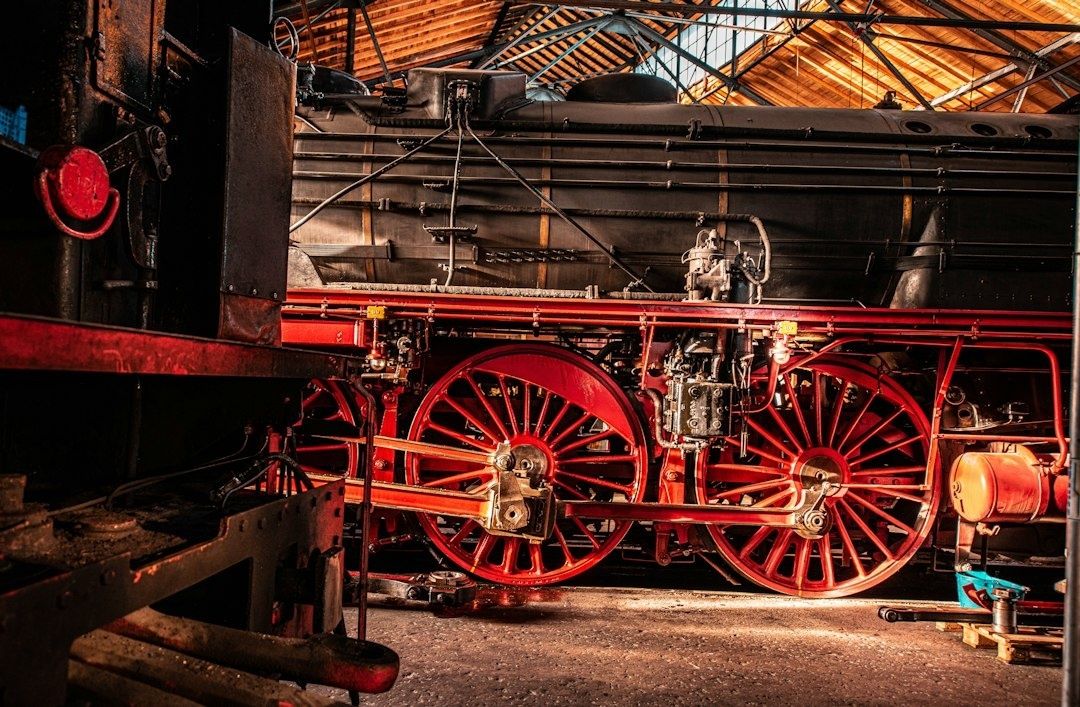
The tea hut or mess room often becomes an important part of the experience. It is where new volunteers learn names, hear the history of a project and discover which jobs are planned for the coming weeks. That social welcome matters because a heritage railway is not simply a collection of machines. It is a community of people with different ages, backgrounds and abilities working towards a shared purpose. Formal orientation, shadowing and gradual progression are common approaches, particularly for operational roles. Some organisations allow volunteers to begin in entry-level train or visitor roles and advance after training and assessment.
Safety Protocols and Essential Gear for the Yard
Heritage railway sites combine historic machinery, uneven ground, workshop tools and moving rolling stock, so safety is taken seriously. The precise requirements depend on the department, but operational depots and track-maintenance areas commonly require sturdy footwear, high-visibility clothing and suitable protective equipment. Eye protection, gloves, hearing protection and hard hats may be required for particular jobs. Volunteers should never assume that ordinary clothing is adequate, especially when entering a workshop, working near machinery or taking part in infrastructure activity.
Every newcomer should listen carefully to the local briefing and follow the instructions of the person supervising the task. Red zones, marked exclusion areas and routes used by moving stock must be treated as controlled spaces. Live machinery should only be approached or operated when the volunteer has been authorised and trained. Young volunteers require particular care, with suitable supervision, age-appropriate tasks and clear limits around equipment and operational areas. The ORR guidance for young volunteers highlights the importance of structured arrangements that protect younger people while allowing them to gain meaningful experience.
| Usually arranged by the railway | Useful personal preparation |
|---|---|
| Site induction and task briefing | Sturdy, comfortable clothing suitable for outdoor work |
| Local rules for workshops, yards and platforms | Safety footwear if the railway requests or requires it |
| Department-specific supervision | Weatherproof layers, waterproofs and spare clothing |
| Required specialist PPE for authorised tasks | Gloves or eye protection only when approved for the task |
| Emergency procedures and reporting arrangements | Water, lunch and any necessary personal medication |
It is sensible to ask in advance what the railway supplies and what volunteers should bring. A railway may provide specialist protective equipment, but still expect volunteers to arrive in suitable footwear and clothing. Supervisors should explain how to report hazards, near misses, discomfort or uncertainty. Good safety culture is not about discouraging beginners; it is about making sure that learning takes place without unnecessary risk. If a task feels unclear, stopping to ask is always the correct response.
The Lifelong Bonds Built Across the Permanent Way
One of the most rewarding features of heritage railway volunteering is its multigenerational character. An apprentice may work alongside a retired fitter, a student may assist an archive specialist, and an experienced steward may teach a newcomer how to handle visitors during a busy operating day. Age and previous occupation matter less than the willingness to contribute. This mixture creates a practical exchange of knowledge, with established volunteers passing on skills while newcomers often bring fresh ideas about communication, digital tools and public engagement.
Shared milestones give the community its strongest sense of purpose. A group may spend months preparing a carriage, restoring a station feature, improving a museum display or completing a section of infrastructure. When that work becomes visible to passengers, the achievement belongs to everyone involved, including those whose contributions were not obvious from the platform. Returning a restored carriage or locomotive to passenger service can create immense pride because volunteers can see a direct connection between careful work in the shed and a living public experience.
- Regular tasks create routine, structure and a reason to spend time with others.
- Practical projects encourage learning through observation and supervised activity.
- Shared restoration goals build friendships across generations and backgrounds.
- Visitor contact helps volunteers see how preservation benefits the wider community.
- Recognition events, social gatherings and team milestones reinforce belonging.
That social dimension can be particularly valuable for people looking for a constructive hobby outside work or retirement. The friendships do not depend solely on railway expertise. They grow through cups of tea, repeated shifts, problem-solving and the satisfaction of making progress together. A preserved railway offers the rare combination of hands-on activity, historical purpose and regular human contact.
Find Your Local Line and Join the Crew
Starting does not require a perfect plan or a technical qualification. Search for preserved railways, railway museums and local heritage trusts within practical travelling distance, then read their volunteer pages carefully. Look for information about departments, time commitments, membership, age requirements, training and contact arrangements. If the website lists a coordinator, send a short message explaining the type of work that appeals to you and how often you may be available.
- Identify a nearby preserved railway or museum with an active volunteer programme.
- Contact the volunteer coordinator and ask about suitable beginner roles.
- Attend an arranged visit, taster day or volunteer open weekend if available.
- Complete the required induction, safety briefing and any membership process.
- Begin with a supervised task and build experience at a comfortable pace.
A taster day is often the best way to test the atmosphere before committing to a regular rota. It can reveal whether workshop restoration, visitor services, archives, catering, gardening or infrastructure work suits your interests. Some railways have their greatest need during operating seasons and special events, while others welcome year-round help with restoration and maintenance. Availability can change, so prospective volunteers should check directly with the railway rather than relying on old timetables or assumptions about current programmes.
The most valuable qualities are enthusiasm, curiosity, reliability and a willingness to learn safely. Britain”s preserved lines need skilled craftspeople, but they also need careful organisers, welcoming stewards, researchers, gardeners, administrators and people prepared to make a dependable contribution. Whether the first task involves a paintbrush, a filing system, a ticket office or a trackside tool, every pair of hands helps keep the railway”s history moving.

