
The Living Iron of Heritage Railways
On a working heritage railway, steam is experienced through every sense. Coal smoke hangs lightly above the engine, hot oil carries its distinctive scent, and polished brass catches the changing light as the locomotive gathers strength. Beneath the familiar whistle and rhythmic exhaust beat, however, is a demanding engineering system in which water becomes high-pressure steam inside a boiler that may contain components more than a century old.
Keeping such a machine in service requires more than sympathetic restoration. Craftspeople must respect historic construction methods while meeting modern expectations for inspection, documentation and passenger safety. That balance is why restoring steam boiler components remains such a specialised skill. Authentic metalwork preserves the character of the locomotive, while carefully selected modern materials, testing equipment and statutory controls help ensure that a memorable journey is also a responsible one.
Echoes of the Forge and Century-Old Techniques
Many early locomotive boilers were assembled with methods that are now rarely seen outside specialist workshops. Hot riveting, for example, joined plates by heating rivets until they were malleable, placing them through prepared holes and forming the second head with pneumatic or hydraulic equipment. As the rivet cooled, it contracted and pulled the plates tightly together. The result was a joint that relied on both the rivet”s mechanical strength and the carefully prepared overlap between the plates.
Hydraulic riveting could provide a controlled, powerful squeeze, but the process still depended on the boilermaker”s judgement. Rivet spacing, plate condition, edge preparation and access around the locomotive barrel all mattered. A repair team assessing an old seam must also distinguish between original workmanship, later patches and areas affected by corrosion. Preserving a joint is not simply a matter of making it look old. It means proving that it can continue to perform its structural role under pressure.
Copper fireboxes present a different challenge. Their sheets were often shaped and dressed by hand, using repeated heating, hammering and checking against templates. Firebox corners, stays, foundation rings and tube plates all have to meet accurately, yet copper can work-harden and distort if treated carelessly. The finished assembly must withstand heat cycling, pressure and the movement caused by expansion, which explains why experienced hands remain so valuable.
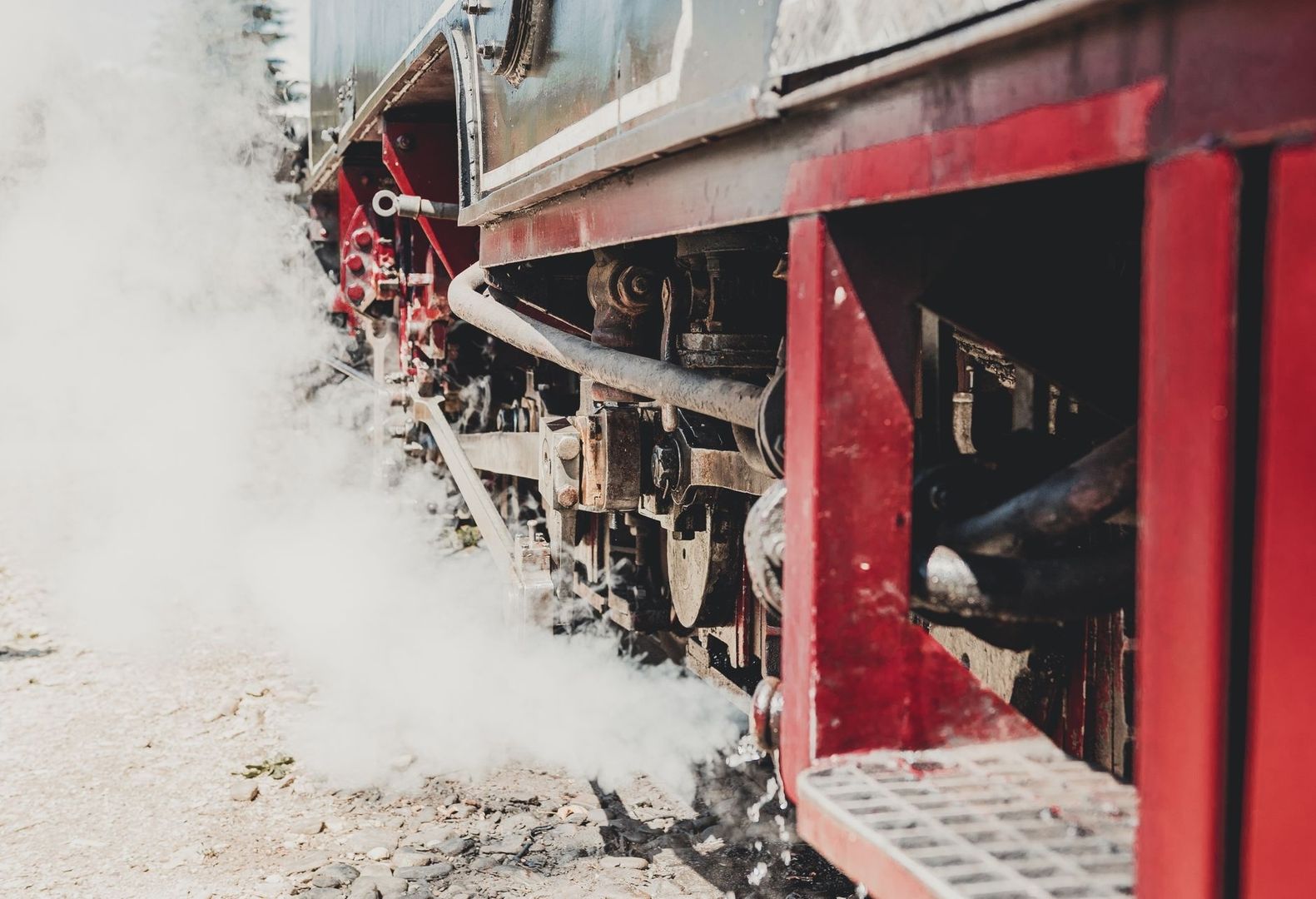
- Hot riveting created strong traditional joints through controlled heating and contraction.
- Hand-formed copper allowed complex firebox shapes to be produced before modern computer-controlled fabrication.
- Mechanical judgement was essential when adapting old components, because visual similarity alone cannot establish safe performance.
The continuing importance of this knowledge can be seen beyond conventional railway locomotives, including in the story of the Middleton Top engine to be powered by steam for first time in decades. The 1829 Middleton Top winding engine in Derbyshire, recognized as the oldest surviving operational winding engine of its type, ran historic steam demonstrations in May 2025 to mark the bicentenary of the Cromford and High Peak Railway Act 1825. Powered during the commemorative event using steam supplied by visiting traction engines, the historic beam engine had previously been demonstrated using compressed air, as recorded in Derbyshire County Council countryside project records. Although the surrounding High Peak Trail and Middleton Top Countryside Centre remain accessible to visitors, the Engine House itself is temporarily closed for essential maintenance works through the remainder of the 2026 season, with reopening scheduled for 2027. Such preservation milestones and ongoing structural maintenance show that traditional mechanical care can preserve not only an engineering artefact, but also a living understanding of early industrial systems.
Meeting Modern Safety Standards Under Pressure
A heritage locomotive may have been designed in a different regulatory age, but its boiler is still a pressure vessel. When a preserved railway operates trains for the public, the risks associated with stored energy cannot be treated as historical curiosities. Owners and operators must establish what the equipment is, how it has been repaired, which limits apply and who has the authority to prevent it from being used.
In the UK, the Pressure Systems Safety Regulations 2000 (PSSR) apply to qualifying pressure systems used at work where failure could cause serious injury. The regulations require an appropriate Written Scheme of Examination before qualifying equipment is used, followed by examination by a competent person. For a locomotive boiler, this creates a structured relationship between inspection, maintenance, operational limits and the records that demonstrate responsible control.
A Written Scheme of Examination is not merely a certificate stored in an office. It sets out what parts require examination, the nature of the examination and the intervals or conditions under which it must occur. A competent person must be sufficiently independent and capable of identifying defects, specifying repairs and stopping use where danger is imminent. In practical terms, the scheme helps prevent a workshop from relying on habit or optimism when deciding whether a boiler is ready for service.
| Restoration concern | Modern control |
|---|---|
| Ageing boiler plates and stays | Documented inspection, thickness measurements and competent assessment |
| Historic flanged joints | Verified gaskets, correct tightening and material compatibility |
| Repairs and alterations | Recorded work, approved methods and updated boiler history files |
| Pressure testing | Controlled hydraulic and steam tests within defined limits |
Sealing technology illustrates how old and new practices can work together. A heritage boiler may retain original flanges and covers, yet require a gasket manufactured from a modern graphite composite, rubberised cloth or another material chosen for temperature, pressure and chemical compatibility. Specialist suppliers have produced bespoke seals for restorations such as Tanfield Railway”s Renishaw No. 6, a 1919 locomotive whose boiler required a range of gaskets, packing materials and sheet products for on-site fabrication.
The key principle is that a modern gasket must not be selected simply because it fits. Its compressibility, resilience, thermal behaviour and resistance to the working environment must all be considered. A seal that performs well on a cold water line may be unsuitable near a hot steam connection. Equally, an apparently authentic material can be inappropriate if its condition is uncertain or if it no longer provides a reliable margin of safety.
The Anatomy of a Locomotive Boiler Overhaul
A major overhaul begins with evidence gathering. Boiler history files, previous examination reports, operating records and repair notes help the team understand how the vessel has aged. The inspection is then planned around access, known problem areas and the requirements of the relevant examination scheme. Current rail safety guidance increasingly emphasises clear records of work, including the removal and reinstallation of tubes when this is necessary to inspect the boiler barrel properly.
Non-destructive testing is central to this process. Ultrasonic thickness testing sends sound waves through the metal and measures the remaining thickness, allowing inspectors to identify areas weakened by corrosion without cutting the plate open. Measurements are taken across a grid or at carefully selected locations, with particular attention to the waterline, foundation ring, tube plates, seams and places where sludge or oxygenated water may have caused local attack.
- Prepare and document the boiler. The locomotive is made safe, drained and opened for access. Components removed during the work are identified, photographed and recorded.
- Remove fire tubes where required. Tube removal can provide access to the barrel interior and reveal problems around tube ends, tube plates and internal stays. The work must be recorded because it forms part of the evidence available to the independent inspector.
- Inspect the foundation ring and firebox. The foundation ring transfers important loads around the firebox base. Repairs may involve renewing sections, correcting distortion or addressing corrosion, but the method must be approved for the design and material.
- Examine and repair stays. Stays connect the inner and outer firebox sheets. Defective stays may be removed, replaced or tapped out using controlled procedures, with attention to the surrounding copper and the condition of the stay holes.
- Renew joints and seals. Flanges, mud-lids, valves, boiler doors and associated pipework receive suitable gaskets or packing. Correct fit and tightening are as important as the material itself.
- Carry out a hydraulic test. Water is used to raise pressure in a controlled manner, avoiding the much greater stored energy associated with compressed gas. The boiler is checked for leakage, distortion and other signs of weakness.
- Complete the steam test. Once the required cold testing and inspections are satisfactory, the boiler is tested under steam with its safety valves operating. The process confirms practical behaviour at working temperature and pressure.
Hydraulic testing is a powerful safeguard, but it does not replace a detailed examination. A boiler may pass a pressure test and still require attention because of inadequate thickness, poor workmanship, damaged stays or an unsuitable repair. Conversely, a historic boiler may contain features that need careful interpretation rather than automatic replacement. The competent person”s role is to assess the whole system, not just a single test result.
Modern guidance also encourages risk-based thinking. The interval and depth of inspection should reflect the boiler”s design, condition, service history and previous findings. That approach is particularly useful for heritage operators because two locomotives of the same class may have experienced very different working lives, storage conditions and repair histories. A well-maintained history file therefore becomes part of the engineering asset, helping future teams make better decisions.
Passing the Torch to a New Generation of Boilermakers
Heritage railways face a practical skills shortage. Many experienced boilermakers, copper-smiths, welders and mechanical fitters learned through long apprenticeships or industrial careers that are no longer common. At the same time, the surviving fleet includes increasingly complex restoration projects, with passenger expectations and regulatory responsibilities demanding a high standard of workmanship.
Training must therefore combine classroom understanding with supervised workshop experience. A young engineer may learn about pressure, metallurgy and inspection in theory, but handling a copper sheet, reading a worn riveted joint or recognising an unusual corrosion pattern requires time beside someone who has seen such problems before. The strongest programmes pair experienced craftsmen with apprentices and volunteers, allowing techniques to be explained, demonstrated and practised safely.
- Heritage workshops can provide supervised experience in fabrication, fitting, inspection and record keeping.
- Apprenticeships can connect modern engineering qualifications with rare railway-specific skills.
- Volunteer fundraising can pay for specialist materials, tooling, examinations and training time.
- Operating heritage lines create a practical reason to maintain the skills, rather than preserving them only as museum demonstrations.
The relationship between workshop and railway is especially important. Every successful operating season helps fund future repairs through fares, memberships, donations and visitor spending in nearby communities. It also gives trainees a clear purpose: the components they restore may eventually carry families through a landscape, not simply sit on a display stand. Boiler preservation guidance, including updated expectations around independent inspection, competent persons and documentation, reflects the shared operational challenges faced by preservation groups across the world.
Keeping the Fires Lit for Tomorrow
Restoring a steam boiler is a conversation between eras. Hot-riveted seams, hand-shaped copper and traditional fitting techniques preserve the physical language of early locomotive construction. Ultrasonic testing, modern gasket materials, controlled hydraulic tests and formal examination schemes provide the evidence and safeguards required for operation today. Neither side is sufficient alone. Authentic craftsmanship without rigorous inspection is unsafe, while modern compliance without respect for the original engineering can erase the very character being preserved.
Running steam trains also brings cultural and economic value. Heritage lines support specialist workshops, local tourism, engineering education and community volunteering, while offering passengers an experience that cannot be recreated by a static exhibit. Visitors who choose a heritage railway journey, join a restoration appeal or support a local engineering workshop help keep knowledge in circulation. Looking ahead to future operating seasons, a ticket, membership or donation can therefore do more than preserve a locomotive. It can help ensure that the warmth, sound and living mechanical rhythm of steam remain part of the railway landscape for generations to come.

